With the official release of China’s Electric Vehicle Traction Battery Safety Requirements (GB38031-2025), set to take effect on July 1, 2026, the new energy vehicle industry faces the “strictest battery safety regulations in history.” The standards mandate “zero fire or explosion” as the core objective, introducing rigorous tests such as bottom impact simulation, enhanced thermal runaway prevention, and post-fast-charging safety verification.
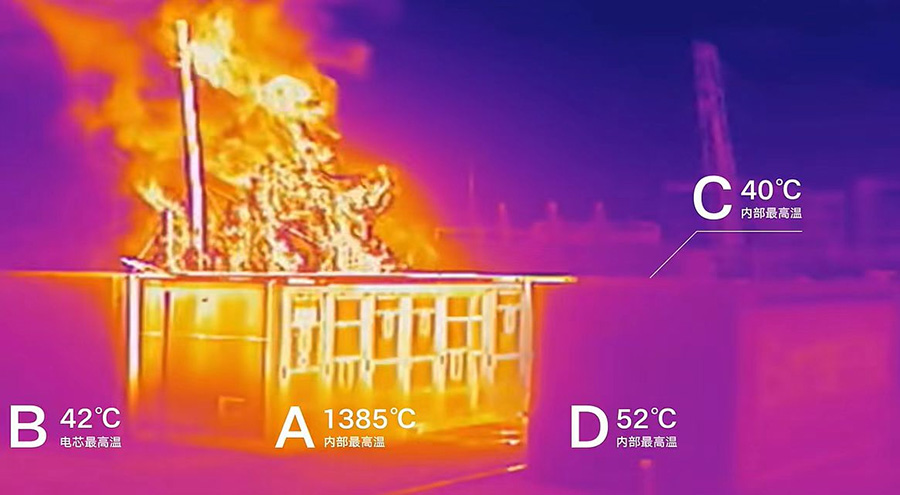
In this context, flexible pressure sensors have emerged as a critical technology to ensure battery safety, leveraging their high precision, dynamic monitoring capabilities, and environmental adaptability.
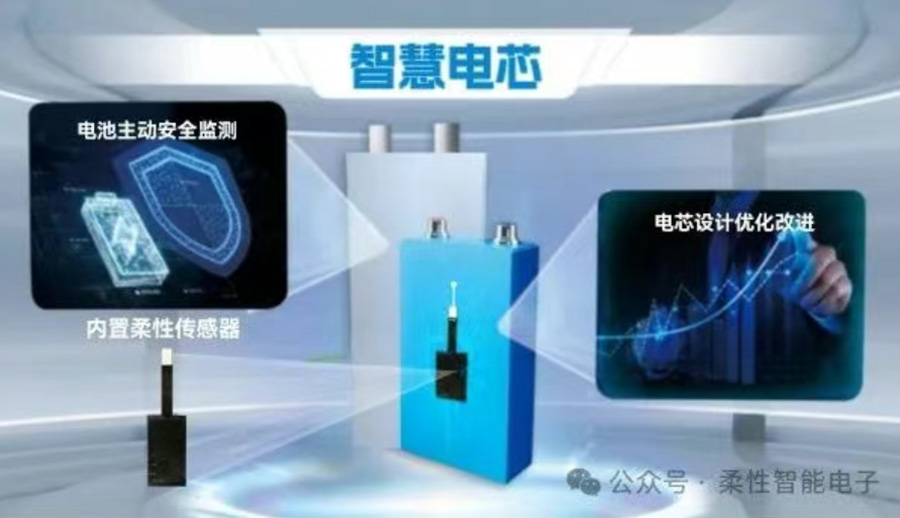
Technical Challenges Under New Standards & the Role of Flexible Sensors
Real-Time Monitoring & Thermal Runaway Mitigation
The updated standards require 24/7, multi-dimensional safety monitoring of parameters including internal pressure, temperature, and voltage. Flexible pressure sensors integrated within battery packs can detect cell deformation, pressure fluctuations, and mechanical stress in real time, enabling early warnings for thermal runaway risks and supporting active cooling systems. For instance, with high sensitivity (e.g., 1.27 μA/kPa in 0-25kPa range) and rapid response (42ms), these sensors capture minute pressure anomalies, aligning with the “zero thermal propagation” target.
Mechanical Integrity & Structural Reliability
The newly added bottom impact test simulates battery pack resilience under extreme conditions. Flexible sensors embedded in modules or enclosures monitor stress distribution and deformation during impacts, providing data for structural optimization. Their corrosion resistance and vibration tolerance (e.g., IFM sensor designs) ensure long-term stability in harsh environments.
Self-Powered & Smart Integration
Self-powered flexible sensors (e.g., paper-based Zn-MnO₂battery sensors) utilize chemical reactions for passive energy harvesting, seamlessly integrating into battery management systems (BMS) to reduce wiring complexity and system failures. Such innovations align with cost-efficiency demands under the new standards while enabling smart maintenance and remote diagnostics.
Our Technological Edge: Safeguarding New Energy Batteries
As a pioneer in flexible sensing solutions, our products have been deployed in leading OEMs’ battery safety systems, offering:
High-Precision Dynamic Sensing: Dual-mode detection for static and dynamic pressures, with resolutions down to tens of pascals and coverage up to 500kPa1;
Environmental Robustness: Resistance to extreme temperatures, chemicals, and IP67+ rated durability for complex operating conditions68;
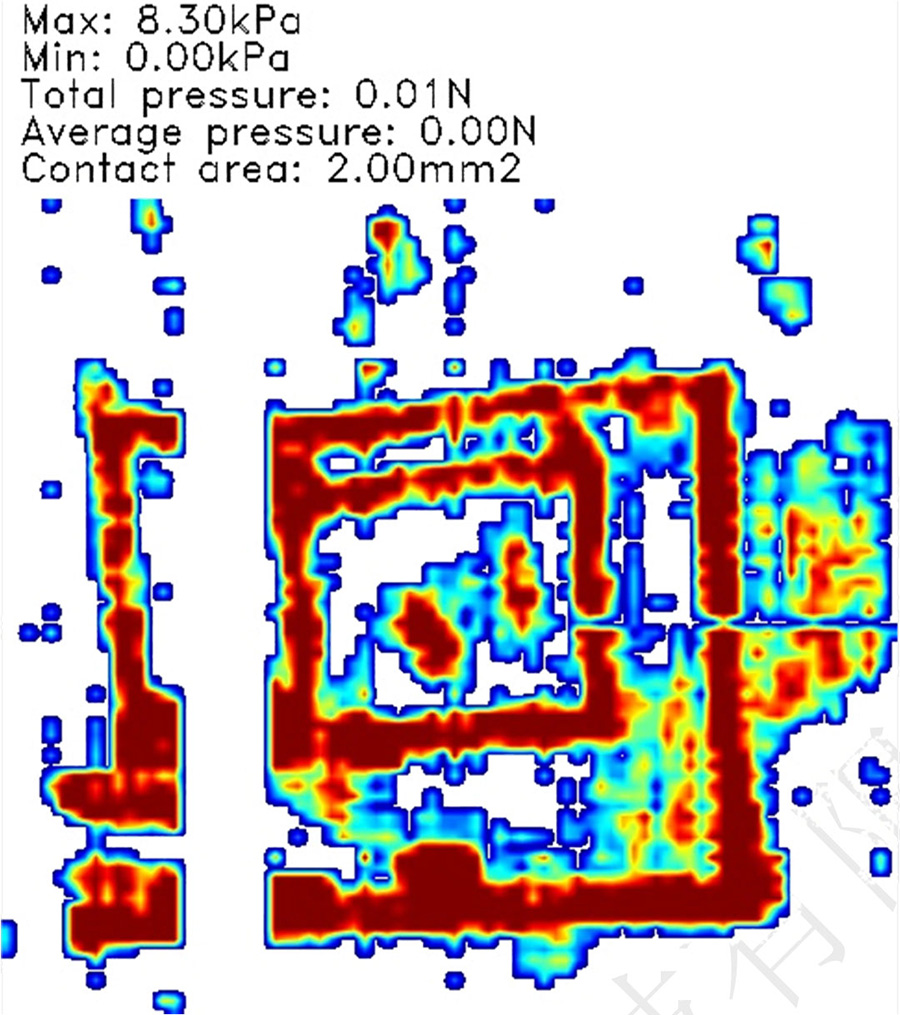
Customizable Designs: Flexible array sensors for visualizing pressure distribution across entire battery packs.
Industry Outlook & Collaborative Opportunities
As the new standards accelerate the shift toward “safety-first” practices, flexible sensors will unlock broader applications in energy storage, human-machine interfaces, and wearable devices. We are partnering with research institutes and automakers to deepen sensor integration with BMS and cloud platforms, driving global advancements in battery safety.
About Us
Founded in 2013 and headquartered in Nano-City, Suzhou Industrial Park, Suzhou Leanstar Electronic Technology Co., Ltd. (Leanstar) is a National High-Tech Enterprise and Jiangsu Provincial “Specialized, Refined, Distinctive, Innovative” SME, established by a renowned team of National Outstanding Youth Scientists and Chinese Academy of Sciences (CAS) returnees. Specializing in R&D and industrial applications of flexible tactile sensing technologies, Leanstar has dedicated over a decade to overcoming global challenges in flexible micro-nano sensors, including low sensitivity, instability, and mass production barriers.
With four core technologies (flexible piezoresistive, piezoelectric, capacitive, and sweat sensing) and nearly 200 high-value patents, Leanstar
possesses full-chain innovation capabilities spanning nano-functional material synthesis, multi-range sensor design, and large-area printed electronics manufacturing. As an industry pioneer, the company operates ultra-clean production lines with an annual capacity exceeding 10 million units, delivering sensors for embodied AI robots, healthcare, automotive electronics, consumer electronics, and IoT applications.
Backed by strategic investments from Hanwei Technology Group (SZSE: 300007) and Xiaomi Yangtze River Industry Fund, Leanstar leads the Suzhou Humanoid Robot Ecosystem Consortium and manages the Suzhou Flexible Tactile Sensor Engineering Research Center. Committed to building a “Flexible+” ecosystem, Leanstar drives the evolution of sensing technologies toward miniaturization, intelligence, and accessibility, empowering global industries with cutting-edge smart perception solutions.



 English